Three Doors to the Arctic: Matching Your First Polar Expedition to Your Temperament
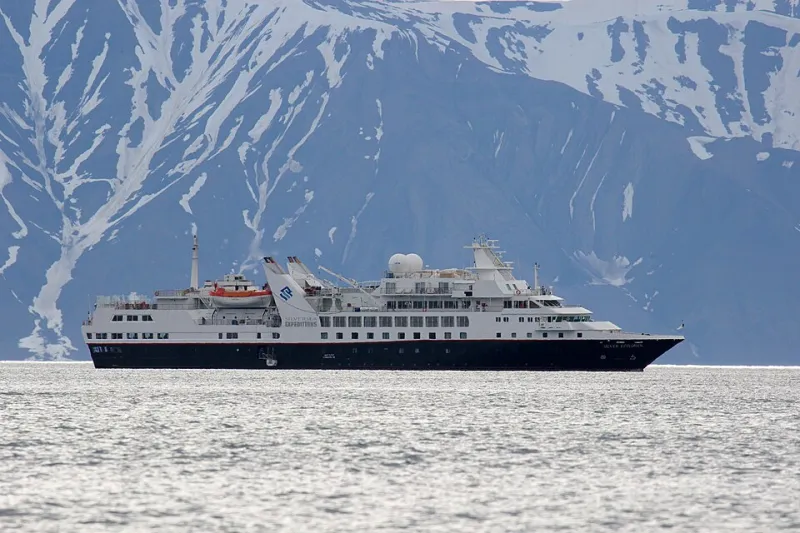
Photo: Gary Bembridge from London, UK, CC BY 2.0, via Wikimedia Commons
Choosing a first Arctic trip is less about finding the single best destination than about identifying the version of the Arctic that will meet you where you are. Svalbard, Greenland, and Arctic Norway each offer a distinct entry point. The differences are not merely scenic. They shape how much time you spend on water, how close you get to settlements, how demanding the weather feels, and how much of your day is structured by expedition staff.
For 2026, US travelers have more routing options than ever, but the fundamentals remain. The right choice depends on your tolerance for sea days, your interest in cultural contact, your appetite for ice and wildlife, and your willingness to let weather rewrite the schedule.
Svalbard: The Compact Expedition Frontier
Svalbard is the high Arctic in concentrated form. Most journeys begin in Longyearbyen, a small Norwegian town with a mining history, an international research community, and a frontier rhythm. Access is usually via Oslo, with a final flight north. The season runs roughly from late spring through early autumn, when the ice retreats enough for expedition ships to work along the coast.
The appeal is obvious: glaciers, jagged mountains, tundra, walrus, seabird cliffs, beluga, and the possibility—never the guarantee—of polar bears. Svalbard is also the most structured of the three gateways. Expedition staff manage landings, safety, and wildlife distance with considerable discipline. That makes it a strong first choice for travelers who want a clear introduction to polar travel without managing every logistic themselves.
The common first-timer mistake is treating polar bears as a scheduled attraction. They are wild animals moving across a vast landscape. A responsible operator will say so plainly. Another mistake is underestimating the cold and wind, even in summer. The overhyped expectation is that Svalbard is empty wilderness; in peak season, several ships may share the same well-known landing sites.
Greenland: Scale, Ice, and Settlement
Greenland is not a single destination but a vast island with regional differences. For many first trips, the focus is Disko Bay and the west coast, with access through Copenhagen or Reykjavik and onward flights to towns such as Kangerlussuaq, Nuuk, or Ilulissat. The season is short, generally summer into early autumn.
Greenland delivers scale. Icebergs calve into deep fjords, the ice sheet presses against the horizon, and distances between settlements are measured in days rather than miles. Cultural context is central. Inuit history, contemporary community life, and Danish-Greenlandic relations are not background decoration; they are part of the journey. Expedition style tends to involve more sailing and more weather contingency than Svalbard.
First-timers often underestimate those distances and expect Greenland to feel like a series of convenient stops. It does not. Weather can delay flights and landings, and a single itinerary cannot represent the whole island. The overhyped expectation is that every Greenland trip will include close encounters with traditional hunting culture. Community visits should be approached with respect, not as a performance for visitors.
Arctic Norway: Accessible Coast and Seasonal Contrast
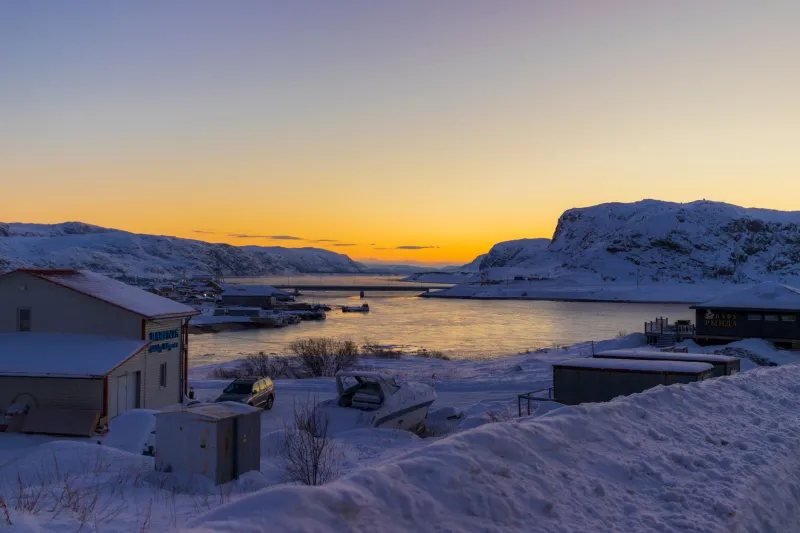
Arctic Norway is the easiest of the three to reach and the most varied by season. Tromsø, Lofoten, and the northern coast are connected by flights, roads, and ferries. In summer, the midnight sun softens the landscape; in winter, the aurora becomes the draw, along with whales and a stark coastal beauty.
This is a good choice for travelers who want polar atmosphere without committing to a full expedition ship. The landscape is fjords, fishing villages, sea cliffs, and open water rather than pack ice. Wildlife viewing may include sea eagles, puffins, seals, and, in winter, orcas and humpback whales in certain areas. The cultural context is Nordic coastal life: fisheries, small communities, and a long history of adapting to dark winters and exposed seas.
The common mistake is expecting remoteness. Arctic Norway can be wonderfully wild, but it is not empty. Another mistake is assuming winter is only about the aurora. Weather can cancel flights, close roads, and make boat trips uncomfortable. The overhyped expectation is that the lights will appear on cue; they will not.
Matching Temperament, Not Just Budget
If you want ice, wildlife, and a tightly organized expedition, Svalbard is often the cleanest introduction. If you are drawn to scale, ice, and cultural complexity, and you can tolerate more sailing and contingency, Greenland rewards patience. If you want easier access, seasonal contrast, and a mix of independent travel and guided activity, Arctic Norway is the most flexible gateway.
Budget matters, but it is a poor sole compass. A cheaper trip that ignores your tolerance for sea days or your interest in community life can feel like the wrong trip entirely. Ask instead: Do I want to be on a ship most days? Do I want to learn about a settlement, or mainly about landscape? Can I accept a changed itinerary without treating it as a failure?
Common First-Timer Mistakes and Overhyped Expectations
Do not pack as if you are heading to a ski resort. Layering, windproof outerwear, waterproof boots, and eye protection matter. Do not assume travel insurance covers expedition disruption; read the policy. Do not treat wildlife as a checklist. Do not photograph people in remote communities without asking. Do not schedule a tight connection after a trip that depends on weather.
The most overhyped expectation is that the Arctic will deliver a single, perfect moment. It may. It may also deliver fog, rain, a cancelled landing, and a quiet afternoon that turns out to be the part you remember.
A Practical 2026 Framework
For 2026, start with three questions: How many sea days can I genuinely enjoy? How important is cultural contact? And which season fits my temperament? Then compare operators on safety record, group size, staff experience, and honesty about weather. The best first polar expedition is not the one that promises the most. It is the one that fits the traveler you actually are.