The Kitchen at the End of the Map: How Expedition Meals Anchor Arctic Travel
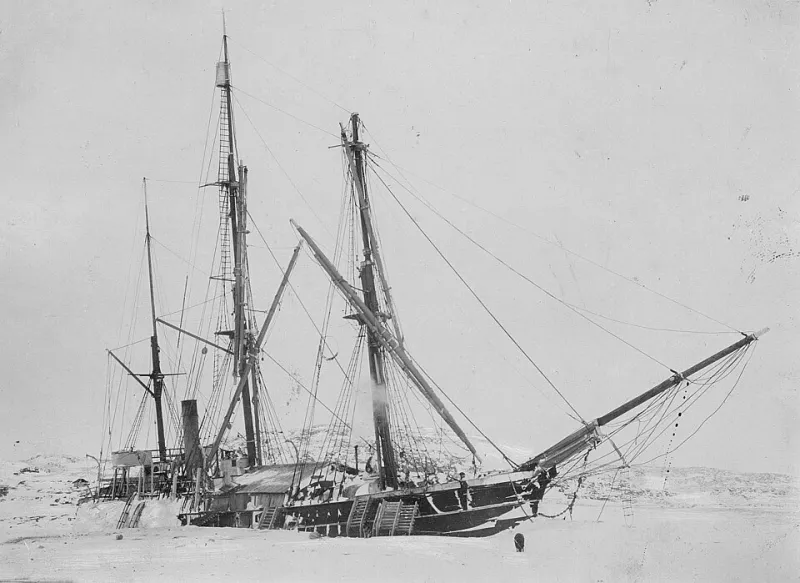
Photo: Unknown authorUnknown author, Public domain, via Wikimedia Commons
On a polar expedition, dinner is not an afterthought. It is a daily ritual that marks time, restores morale, and turns a ship or a remote lodge into a temporary home. The food itself is a map of geography and history: dried fish, reindeer, root vegetables, berries, rye, dairy, and whatever the ship's bakery can produce between landings. In 2026, as Arctic travel becomes more specialized, expedition meals deserve more attention than the usual footnote about onboard dining.
More Than Fuel
Expedition days are physically uneven. A morning may involve a wet landing, a long walk across tundra, and hours of cold wind. An afternoon may be spent waiting for weather. Meals provide structure. A hot breakfast, a flask of soup, and a proper dinner can make the difference between a difficult day and a memorable one. Shipboard bakeries are not a luxury; fresh bread is a morale technology.
The best expedition kitchens understand this. They serve food that is hearty without being heavy, varied without pretending to be a city restaurant, and flexible enough for the realities of seasickness and changed schedules. They also know that guests are tired. A menu that reads well on paper is less useful than one that works at 11 p.m. after a delayed landing.
A Pantry Shaped by Geography
Arctic ingredients are often simple because the environment is demanding. Dried fish and stockfish have long histories in Nordic coastal economies. Reindeer and lamb appear on menus where herding and farming are part of local life. Root vegetables, cabbage, and berries travel better than fragile produce. Rye bread, oats, and dairy reflect both Nordic traditions and the practical needs of provisioning.
Foraged ingredients add a seasonal signature: cloudberries, lingonberries, mushrooms, seaweed, and herbs. They are not novelty items for visitors. They are part of local foodways, and their presence on a menu can be a form of cultural exchange—if it is presented with context rather than as a curiosity.
The Ship as a Floating Kitchen
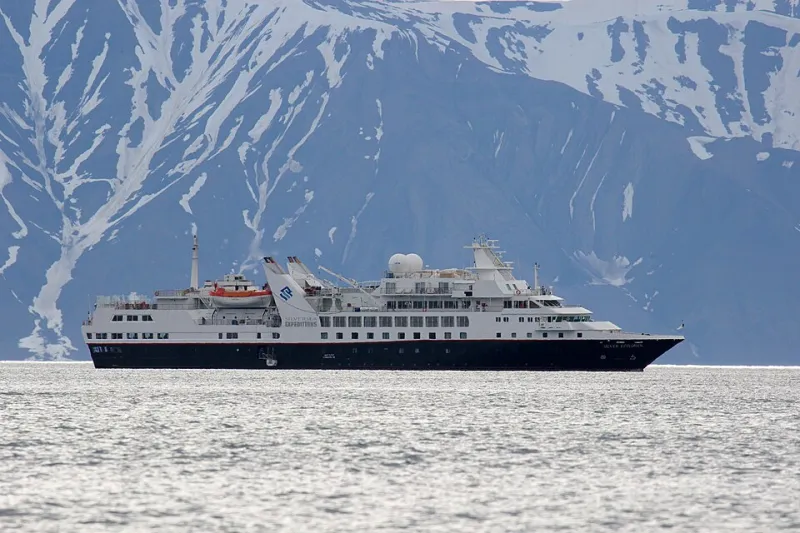
Provisioning a vessel in the Arctic is a logistical exercise. Storage space is limited, fresh produce has a short life, and resupply points are few. Chefs plan menus around what will last, what can be frozen, and what can be baked fresh. The result is often a cuisine of adaptation: soups, stews, cured fish, braised meats, and robust salads when produce allows.
Sustainability matters here, but it is complicated. Local sourcing can support communities, yet not every port can supply a ship. Seafood may be abundant, but responsible operators pay attention to season and regulation. Waste reduction is not merely ethical; on a remote vessel, it is practical. Travelers can ask operators how they provision, how they handle dietary needs, and what they do with surplus food.
Eating Ashore: Cultural Exchange With Care
Meals ashore can be the most memorable part of an Arctic trip. A community café serving fish soup, a bakery in a small Norwegian town, a Greenlandic dinner featuring local ingredients—these are opportunities to learn. But food tourism can also slide into spectacle. Visitors should remember that remote communities are not theme parks. Ask before photographing, respect local customs, and avoid treating unfamiliar dishes as dares.
For US travelers, the most useful posture is curiosity with humility. Reindeer is not exotic; it is a staple with a history. Dried fish is not a challenge; it is a preservation method. The point is not to prove adventurousness but to understand why a place eats what it eats.
Practical Notes for Travelers With Dietary Needs
Expedition kitchens can accommodate many dietary requirements, but communication must happen early. Vegetarian and vegan options may be limited in remote regions, and gluten-free or allergen-specific meals require planning. If you have serious allergies, confirm procedures in writing. If you follow kosher or halal diets, ask specific questions rather than assuming. Seasickness can change appetite; bland, dry foods and hydration are often more useful than an ambitious menu.
Also expect unfamiliar ingredients. Cloudberries are tart. Stockfish is pungent. Reindeer may be served smoked, stewed, or dried. Try small portions. Ask questions. And do not skip the ship's bakery—fresh bread in a cold place is one of travel's quiet pleasures.
The Moral of the Meal
Expedition dining is not about luxury. It is about place, survival, and comfort. A good meal in the Arctic does not erase the cold or the uncertainty. It gives travelers a table to sit at, a reason to slow down, and a way to understand the landscape through what it produces. At the edge of the world, that is no small thing.