Too Many Boots on the Ice: Polar Tourism's Reckoning With Its Own Popularity
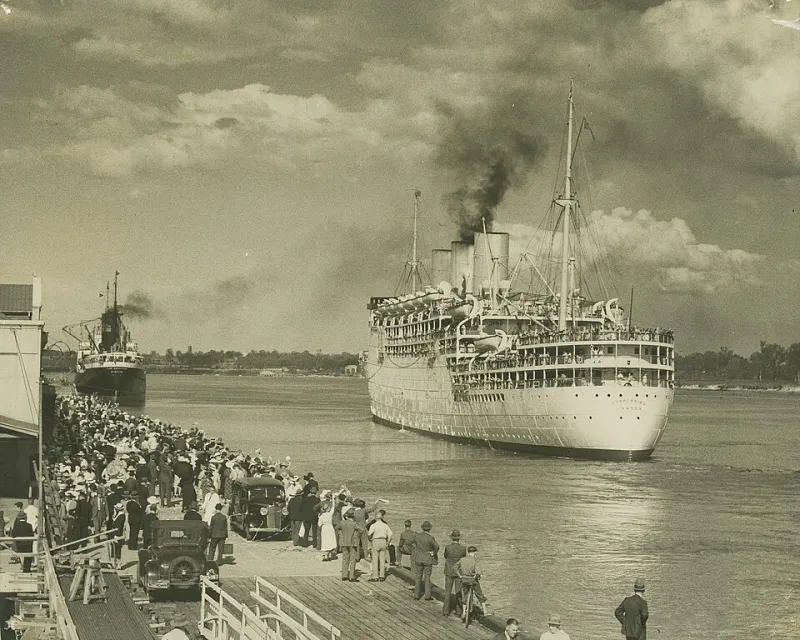
Photo: Jackman, George; Contributor(s): Queensland Newspapers Pty Ltd, Public domain, via Wikimedia Commons
There is a photograph circulating among expedition staff this season that captures the problem better than any policy paper. It shows a landing beach on Svalbard at the height of summer: dozens of passengers in identical orange parkas queued for the same shot, while a bearded seal hauls out at the far edge of the frame, visibly disturbed. Every one of those travelers came, at least in part, to see something wild. Collectively, they were the reason it wasn't.
The Numbers Behind the Unease
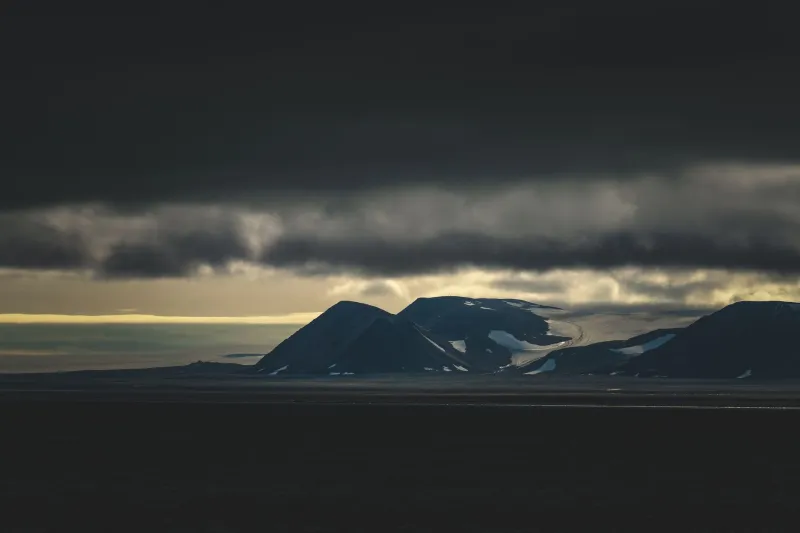
Polar tourism has grown at a pace that outstrips most conservation planning. Large cruise vessels — ships carrying 500, 1,000, even 3,000 passengers — now sail Arctic waters that a decade ago saw only small expedition craft and working boats. Svalbard, Iceland, and Greenland's west coast have absorbed the surge. Landing sites that once hosted a handful of zodiacs per week now see multiple large-ship turnarounds in a single day.
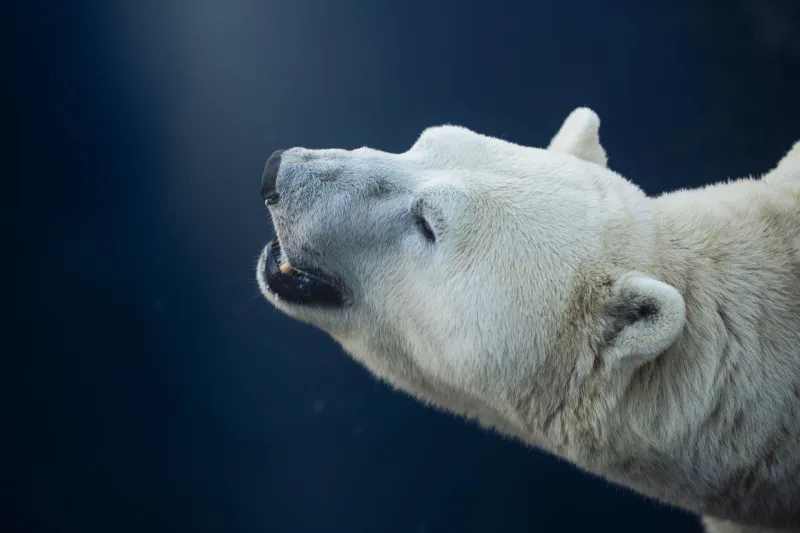
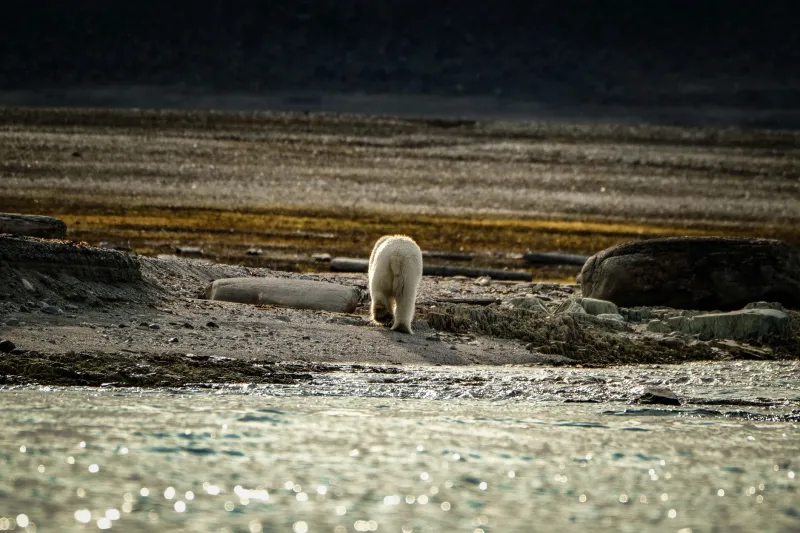
The ecological concerns are concrete. Nesting birds abandon colonies under sustained disturbance. Wildlife viewing pressure changes feeding and resting behavior in species — polar bears, walrus, Arctic foxes — that already live on an energetic knife's edge. And the infrastructure that follows mass tourism, from harbor expansion to waste handling, arrives in ecosystems with little capacity to absorb it.
Last Chance Tourism's Cruel Paradox
Researchers have a name for the phenomenon driving much of this traffic: last chance tourism — the impulse to see a place before it changes forever. The irony is structural. Travelers mourning the vanishing ice arrive on vessels whose emissions and presence accelerate the pressures on the very landscape they came to memorialize. Mourning, done at scale, becomes a form of participation.
This is not an argument that no one should visit. The Arctic has always been a destination, and responsible travel channels money and attention toward conservation in ways that absence never could. It is an argument that how we visit now matters more than it ever has.
A Traveler's Code for the Far North
Individual travelers hold more leverage than they realize. A working code of conduct might read:
- Choose small. Vessels under roughly 200 passengers, with IAATO- or AECO-affiliated operators, produce a fraction of the landing impact and follow far stricter wildlife-distance protocols.
- Demand the briefing. A serious operator invests time in biosecurity, wildlife-distance rules, and site etiquette before the first landing. If the briefing is perfunctory, the operator is perfunctory.
- Let the animal keep the frame. The best wildlife photography of the coming decade will be shot at longer focal lengths and greater distances. If your presence changed the animal's behavior, the image is a record of harm.
- Visit fewer places, longer. One community engaged with properly beats five sites stamped and departed.
- Ask what happens after you leave. Operators funding monitoring programs, habitat protection, and local stewardship deserve the booking.
Where Small Operators Lead
The encouraging news is that the small expedition sector is not waiting for regulation. Many independent operators now cap landing group sizes below what permits require, rotate sites to allow recovery, employ local guides, and publish their environmental data. They are proving that access and restraint are compatible — and, increasingly, that travelers will pay for the difference.
The Arctic will not be saved or ruined by any single voyage. It will be decided by a thousand booking decisions, made by people who understood that the wildest experience available is the one in which the wildlife never knew you were there.